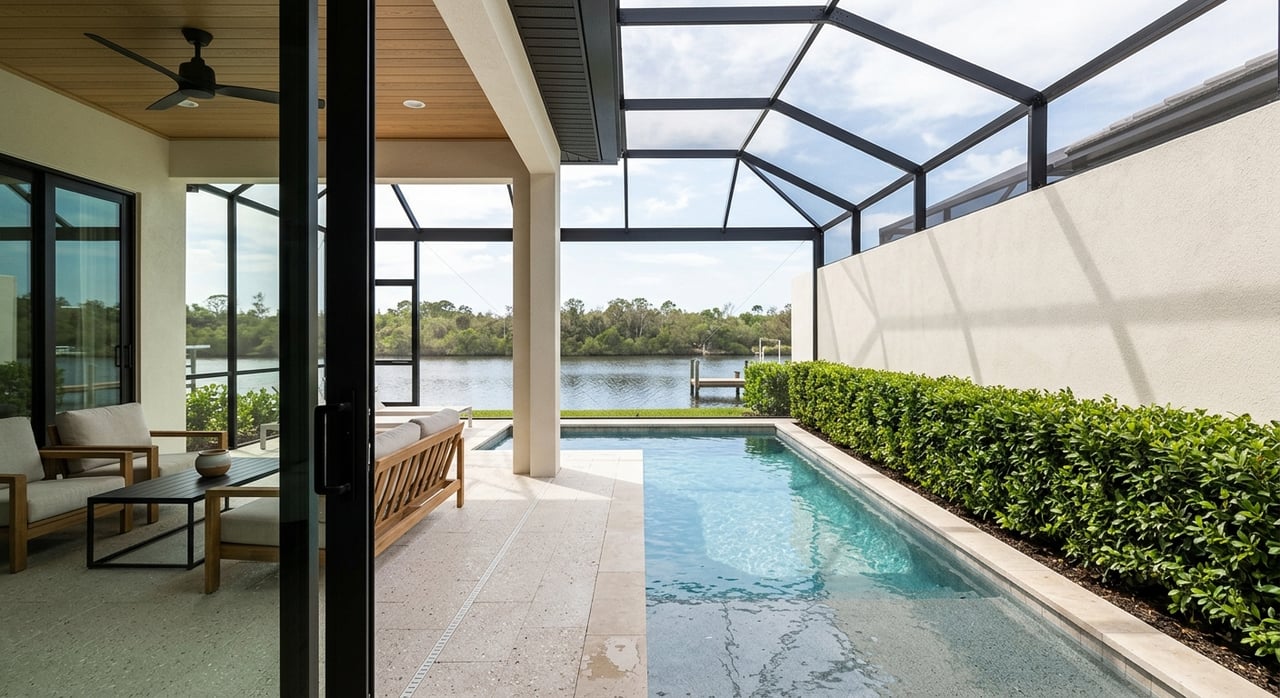
Dreaming about a second home on Sanibel Island is easy. Owning one well takes a little more planning. If you want a place that supports your lifestyle, protects your investment, and stays manageable when you are away, it helps to understand Sanibel’s flood zones, rental rules, upkeep requirements, and ongoing costs before you buy. Let’s dive in.
Why Sanibel second-home ownership is different
Sanibel Island offers the coastal setting many buyers want, but it also comes with ownership realities that deserve close attention. Because the island has low topography and limited natural drainage, flood risk is a central part of the ownership picture.
That means your buying decision should go beyond finishes, views, and layout. You also need to think about flood insurance, storm readiness, property oversight, and how the home will function when you are not there.
The city notes that its current CRS Class 5 rating provides a 25% discount on flood insurance premiums. That can help with costs, but flood coverage is still separate from standard homeowners insurance, so you should budget for it directly.
Start with the exact flood zone
One of the most important steps in buying a second home on Sanibel is confirming the flood zone for the specific structure. Do not rely on a general impression of the neighborhood.
Sanibel says properties in the city may fall in AE, AO, VE, or X flood zones. The city also notes that its Forerunner tool can show flood zones and elevation certificates if they are available, which can help you understand the property more clearly before closing.
This matters for more than just insurance pricing. Flood zone, elevation, and future repair or improvement work can all affect how you plan for the property over time.
Match the home to your visit pattern
A second home should fit the way you will actually use it. One of the most overlooked questions is how often you plan to visit and how easy you want those trips to feel.
If you expect frequent short stays, location near the island entry points may be more practical. Sanibel notes that Causeway Beach Park sits just off the east side of the Sanibel Boat Ramp and is easily accessible, which supports the idea that homes closer to the causeway can make quick in-and-out visits simpler.
If your visits will be longer and less frequent, you may be more comfortable choosing a home based on privacy, layout, or other lifestyle priorities. The key is being honest about your real travel habits instead of buying for an ideal schedule that may not happen.
Choose a property type you can manage
The right property type for a second home is not always the one with the biggest appeal on day one. It is the one that fits the level of oversight you want to handle from near or far.
For many part-time owners, a lower-maintenance setup can be easier to manage. A single-family home may offer more control and privacy, but it usually requires more coordination for landscaping, utilities, routine check-ins, and storm preparation.
That does not make one option better than the other. It simply means your ownership plan should match your availability, your budget, and how hands-on you want to be.
Check rental rules before you buy
If there is any chance you will rent the property, even occasionally, verify the zoning and use classification before closing. On Sanibel, rental flexibility depends on the city’s code, not on a broad countywide assumption.
Sanibel’s dwelling-rental code distinguishes between standard dwelling rentals and resort-housing use. Where resort-housing use is not permitted, dwelling units may not be rented for periods shorter than four consecutive weeks.
Where resort-housing use is permitted, there is no limit on frequency or length of stay. The city code also requires an active Florida Department of Revenue registration for collecting and remitting sales surtaxes and transient rental taxes where applicable.
For second-home buyers, this is a major planning point. If rental income is part of your long-term strategy, the legal use category matters just as much as the home itself.
Understand taxes for a true second home
Many buyers assume Florida homestead benefits will apply automatically, but that is not the case for a true second home. Lee County states that the homestead exemption is for a permanent residence.
The Florida Department of Revenue says that exemption can reduce taxable value by as much as $50,000 for eligible permanent residences. Lee County also warns that seasonally or annually renting a homesteaded property can jeopardize the exemption.
If you later decide to make the Sanibel property your primary residence, timing matters. Lee County’s filing deadline is March 1, so tax planning should happen early if your use of the home changes.
Budget beyond the mortgage
Holding costs on Sanibel should be modeled carefully from the start. A second home budget should include more than mortgage and property taxes.
At a minimum, plan for flood insurance, wind insurance, utilities, solid-waste charges, and any HOA or condo dues. If the home will sit vacant for part of the year, those costs do not disappear just because you are away.
Sanibel’s solid-waste program is contracted with WM and funded through a solid-waste assessment on the annual property-tax bill. That means trash service remains part of the cost picture even when the property is lightly used.
Plan for recurring utility costs
Utility planning matters more than many second-home buyers expect. On Sanibel, city utility charges should be treated as recurring ownership costs.
The posted utility schedule lists residential sewer at a flat rate of $223.38 per quarter, effective October 1, 2025. Reclaimed water is billed monthly at $3.34 per 1,000 gallons, also effective October 1, 2025.
The city also notes that reclaimed-water delivery quantity cannot be guaranteed for any particular period. If irrigation is part of your plan, that makes a conservative approach smart.
Landscaping is part of ownership strategy
On Sanibel, landscaping is not just cosmetic. It is part of responsible property ownership and should be part of your buying decision.
The city’s homeowner guide says at least 75% of property vegetation must be native plants. It also states that invasive exotics must be removed, fertilizer use is regulated, and trimming in mangrove and dune zones requires permits.
If you hire landscape workers, the city says they must have a Sanibel Vegetation Competency Card. The same guide explains that native plants are generally well suited to the island’s weather, alkaline soils, and saltwater exposure, and they often need little or no supplemental irrigation.
For a part-time owner, that can influence how easy a property is to maintain. A well-planned landscape with compliant plantings may reduce ongoing effort compared with a yard that needs frequent correction or intensive watering.
Routine oversight still matters
Even a beautifully maintained second home needs regular check-ins. A lightly used property can still create issues if no one is watching it.
Sanibel’s nuisance code treats litter, rubbish, and debris on parcels as public health concerns. In practical terms, that means you should have a reliable plan for cleanup, visual inspections, and response after storms or heavy weather.
For many second-home buyers, a strong local support team is part of the ownership solution. A dependable landscaper, irrigation contact, and property manager or caretaker can make a major difference in how smoothly the home operates when you are away.
Prepare for storms and repairs
Storm planning should be part of your purchase decision, not an afterthought. On Sanibel, what happens after damage can affect both timeline and cost.
The city’s Building Division reviews permits for compliance with state and federal standards. Sanibel’s hurricane-recovery guidance also says that substantial-damage repairs can trigger flood-compliance requirements.
For single-family homes, the city says flood barriers can be installed without a permit, although owners are encouraged to discuss the tradeoffs with a qualified professional. That is another reason to understand the property’s flood profile before you commit.
Build your ownership team early
A successful Sanibel second-home purchase usually involves more than a real estate search. It works best when your property choice, use plan, and professional guidance all line up before closing.
If you want personal use only, your focus may be access, flood zone, upkeep, and holding costs. If you may rent the property, zoning, tax treatment, and registration requirements should be reviewed early.
The best planning path is usually to speak with a CPA or tax advisor, an insurance professional, and a Florida real estate attorney before closing, especially if you want a mix of personal use and rental income. Clear advice up front can save you time, stress, and expensive surprises later.
Owning a second home on Sanibel Island can be incredibly rewarding when the property matches your lifestyle and your risk tolerance. If you want a calm, detailed buying process with local guidance tailored to Southwest Florida coastal ownership, connect with Daniela Mitchell to schedule a consultation.
FAQs
What should you verify before buying a second home on Sanibel Island?
- You should confirm the exact flood zone for the structure, review elevation information if available, check zoning if rentals matter, and understand ongoing costs such as insurance, utilities, and solid-waste assessments.
How do Sanibel Island flood zones affect second-home ownership?
- Flood zones can affect insurance needs, ownership costs, and how repairs or improvements are handled later, so buyers should review the specific property’s flood designation rather than rely on neighborhood assumptions.
Can you use a Sanibel Island second home as a rental property?
- You may be able to, but rental use depends on the property’s zoning and use classification, and some dwelling units cannot be rented for periods shorter than four consecutive weeks unless resort-housing use is permitted.
Do Florida homestead tax benefits apply to a Sanibel Island second home?
- No, Lee County states that homestead exemption is for a permanent residence, so a true second home should not be evaluated using homestead savings as the baseline.
What ongoing costs should you expect with a Sanibel Island second home?
- Common ongoing costs include property taxes, flood and wind insurance, sewer charges, reclaimed water, solid-waste assessment, and any association dues, even when the home is vacant part of the year.
Why does landscaping require extra attention on Sanibel Island?
- Sanibel has vegetation rules that require at least 75% native plants, removal of invasive exotics, and permits for some trimming activities, so landscaping choices can affect both compliance and long-term maintenance.
What local help is useful for Sanibel Island absentee owners?
- Many part-time owners benefit from having a reliable local landscaper, irrigation contact, and property manager or caretaker to handle routine oversight, cleanup, and storm-related response.