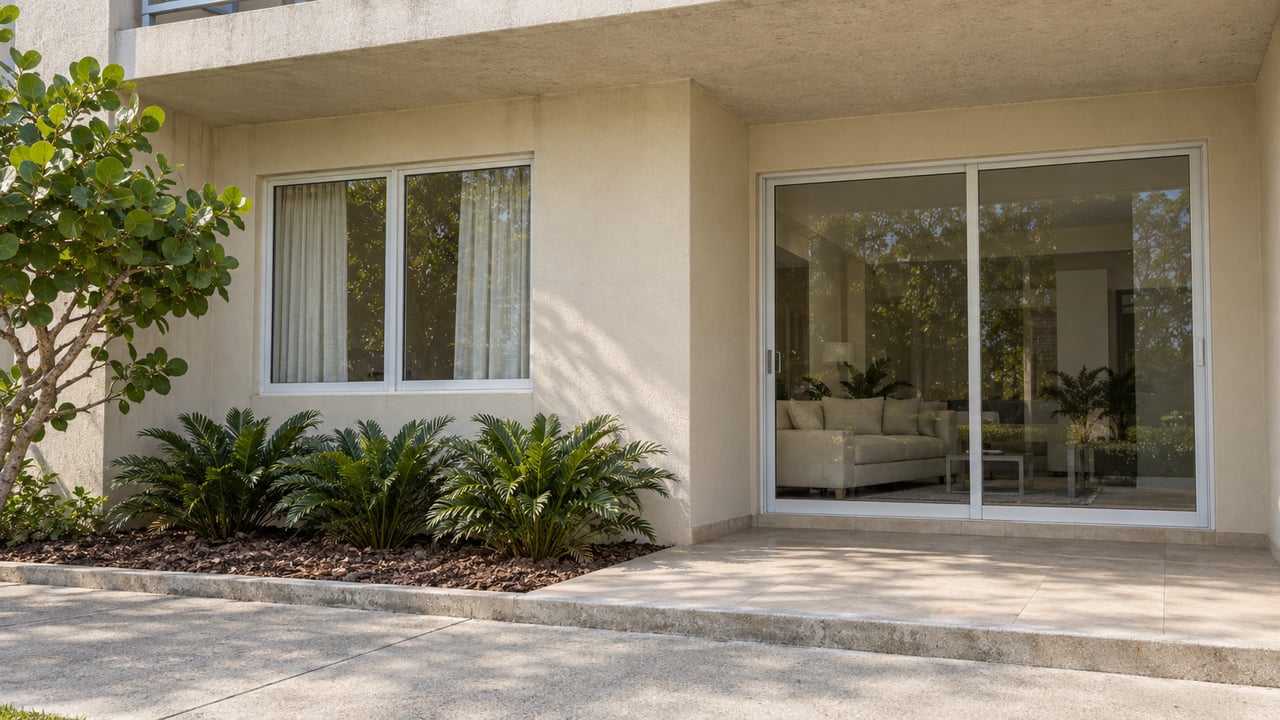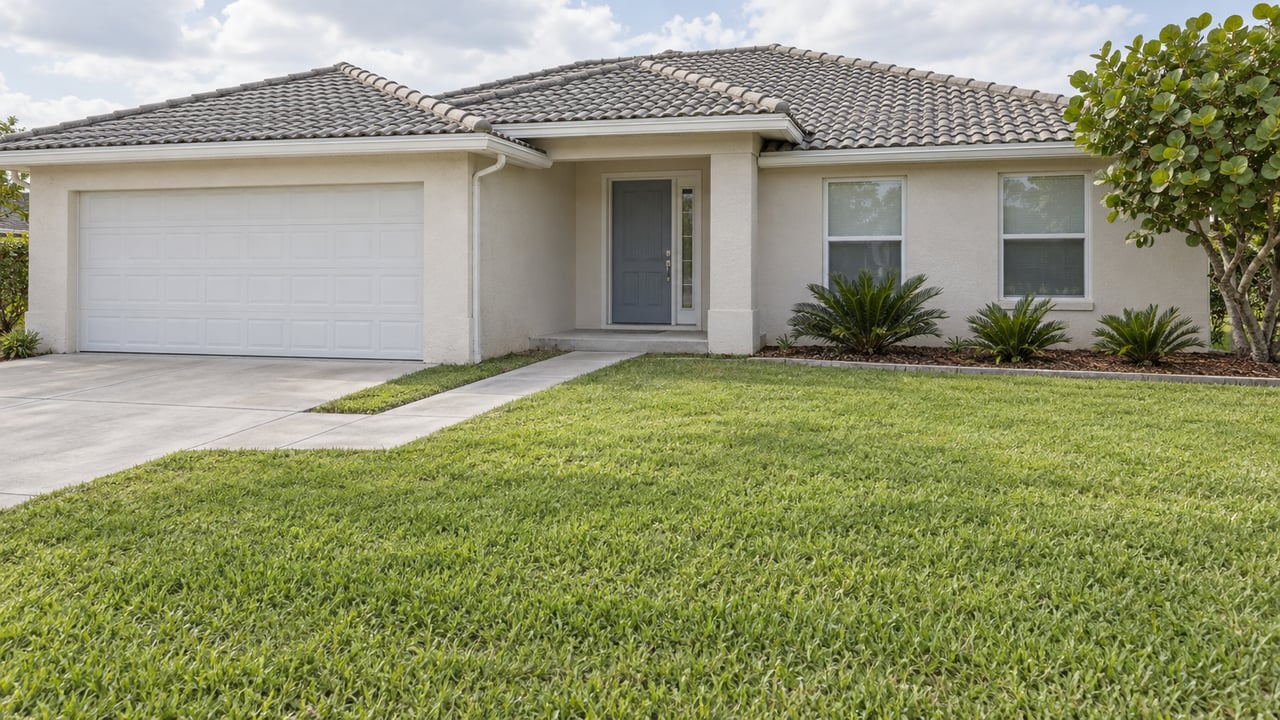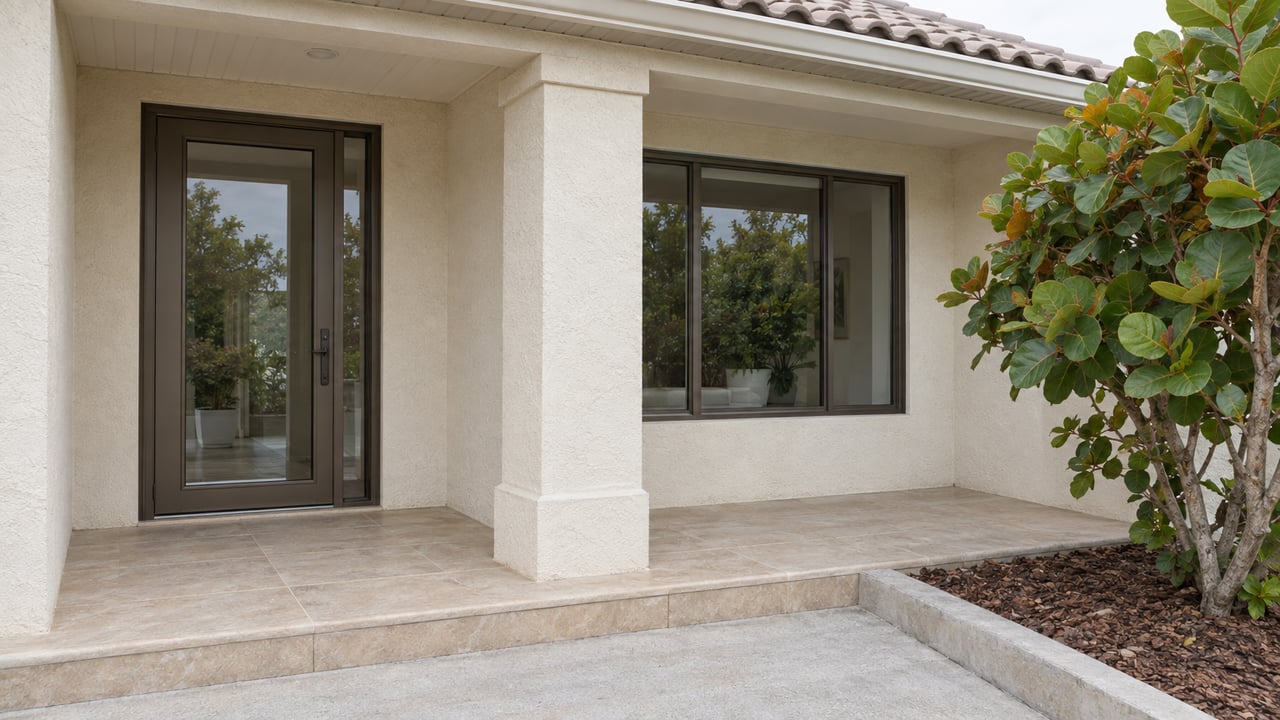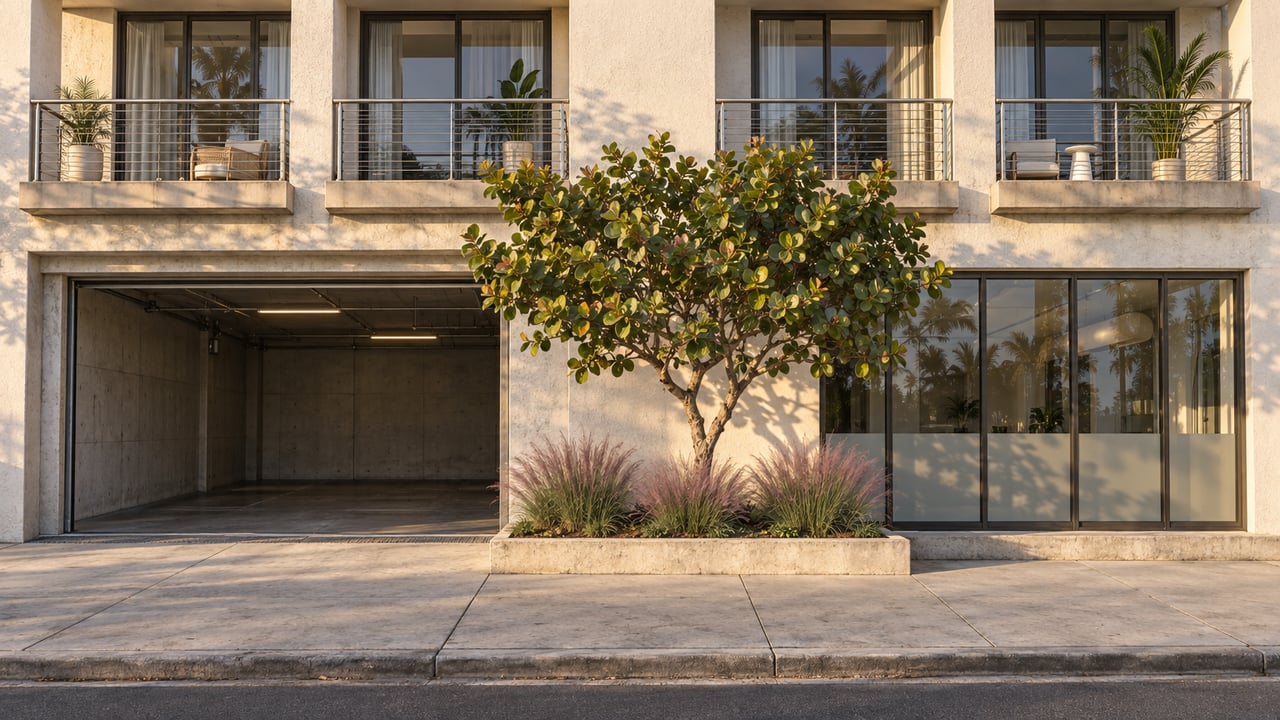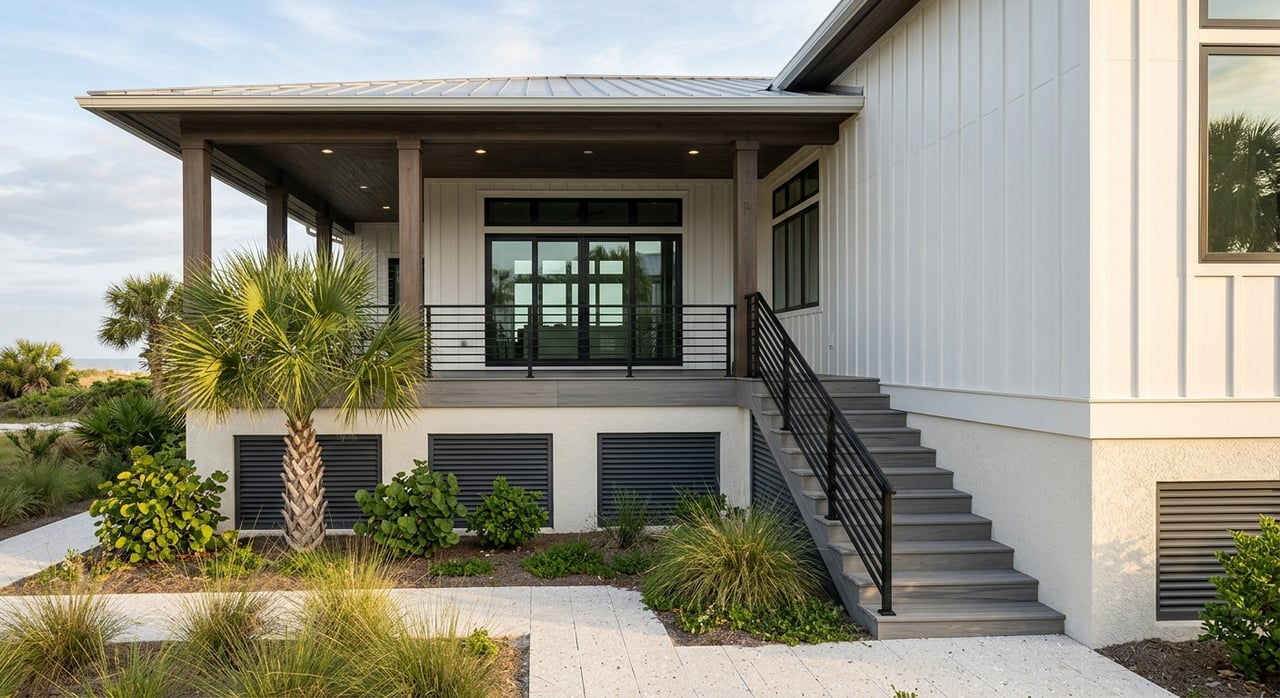
Thinking about building new or buying a rebuilt home on Sanibel Island? You are not just choosing finishes and floor plans. On Sanibel, you are also navigating flood rules, island design standards, permit timelines, and construction details that can affect long-term value and peace of mind. If you want a clearer picture of how new construction and rebuilds work here, this guide will help you ask better questions and make more confident decisions. Let’s dive in.
Why Sanibel Construction Is Different
Sanibel approaches new construction and rebuilds with two priorities in mind: safety and island character. The city describes itself as a barrier island sanctuary, and its building process reflects that goal.
Before the Building Division reviews a project, Planning must review all new construction and any structural exterior work or modification. That means a home on Sanibel is not just reviewed for code compliance. It is also reviewed for how it fits the island’s planning standards and surrounding area.
For buyers, this matters because the design, approval path, and timeline can look different from what you may see on the mainland. The city’s published review window is usually 7 to 10 business days, though it can take up to 30 business days once a complete package is submitted.
What Counts As New Construction Or A Rebuild
On Sanibel, the line between a simple renovation and a true rebuild can have major consequences. One of the biggest issues is whether the work triggers what is commonly called the 50 percent rule.
Understanding the 50 Percent Rule
The city reviews permits for substantial damage or substantial improvement at the time of permit. Sanibel defines both as work costing 50 percent or more of the structure’s market value.
If that threshold is exceeded, the structure generally must be brought into current floodplain-management compliance. In practical terms, that can change the scope, cost, and design of a project in a big way.
For you as a buyer, this is especially important when comparing an older home with repairs or additions against a fully rebuilt property. A charming older home may still carry future compliance questions if additional work later crosses that threshold.
How Flood And Wind Standards Shape Homes
Sanibel homes are heavily influenced by coastal building requirements. That is one reason many newer and rebuilt homes look elevated, engineered, and highly documented.
Elevation Requirements Matter
In flood-hazard areas, Sanibel’s residential checklist states that the lowest-floor design flood elevation for one- and two-family homes must be the Base Flood Elevation plus 1 foot. That extra height can affect stairs, garage layout, storage, entry design, and the overall appearance of the home.
If you are touring newer homes, you will often notice living spaces raised above grade. That is not just a design preference. It is a core part of building for the island’s conditions.
Strong Documentation Is Part Of The Package
Sanibel’s checklist for new residential construction calls for a boundary survey, site plan, architectural plans, structural plans, electrical plans, product approvals or notices of acceptance, truss layouts and design loads, and stormwater drainage plans, among other items.
That may sound technical, but it gives you a useful clue as a buyer. On Sanibel, a well-built home should also be a well-documented home.
Openings And Roof Details Deserve Attention
Coastal performance is often decided at the edges, not just the frame. FEMA guidance for coastal construction notes the importance of impact-resistant glazing or shutters in hurricane-prone coastal areas, along with strong flashing at windows, doors, and roof projections.
Wind-driven rain can lead to leaks, corrosion, and rot if those details fail. When you evaluate a home, it is smart to ask not only what products were used, but also how the roof transitions, openings, and water-management details were handled.
Island Style Is About Compatibility
Sanibel has a distinct look, but it is not about copying one exact architectural style. The city describes its aesthetic as a casual style adapted to island life.
Its code materials recognize four Island Style subcategories: Old Florida, Island Eclectic, Island Contemporary, and Island Leisure. At the same time, the city says conformance with one specific style is not required.
Neighborhood Fit Counts
What the city does require is compatibility. New buildings should preserve neighborhood rhythm, harmony, and character rather than read as monolithic objects.
Applicants are asked to explain how a proposed architectural style fits the existing neighborhood, often with a supporting statement and photos or a planting plan. For you, that means style on Sanibel is not only personal. It is also tied to the block, the lot, and the broader island setting.
Site Design Is Part Of The Look
Sanibel’s development standards limit impermeable coverage, developed area, and the placement of fill. Those rules help protect the island’s sanctuary character and also shape how homes sit on their lots.
In practice, that often supports smaller footprints, more restrained hardscape, and less aggressive grading than you might expect elsewhere. A home can feel polished and modern while still respecting the island’s lower-impact approach.
Landscaping Is Not An Afterthought
On Sanibel, landscaping is part of the overall resilience and design conversation. The city’s Natural Resources Department says native trees and shrubs help protect beach and bay property from erosion.
The land-development code requires native species in landscaping and restricts exotics. So when you see a newer or rebuilt home with native plantings and less turf, that is often a reflection of local standards as much as personal preference.
For buyers who want lower-maintenance coastal living, this can be a plus. Native landscapes can support the site while fitting the island’s environmental goals.
Permits, Inspections, And Timing
A beautiful home still needs a clean paper trail. On Sanibel, the permit and inspection process is a key part of evaluating any new construction or rebuild.
Permit Activity Must Stay Current
Once a permit is issued, Sanibel requires active project management. A structural inspection is required within the first six months of permit issuance, and another approved inspection is required within six months of the previous one.
If a permit is abandoned for more than six months without an approved or partially approved inspection, it can expire. A permit extension may be available with Building Official approval.
If you are buying a home under construction or recently rebuilt, this is a smart checkpoint. You want to confirm the last approved inspection date so there are no surprises tied to permit status.
Final Approval Is Essential
The city says property owners are responsible for making sure permits are obtained, inspections are performed, and final approvals are received. Sanibel also notes that the Certificate of Occupancy or Certificate of Completion is issued only after all other city requirements are met.
For a buyer, final approval is not a minor detail. It is one of the clearest signs that a project has reached the finish line properly.
How To Evaluate A Builder Or Rebuild Team
Sanibel does not endorse contractors, and the city encourages owners to verify licensing and related records. That makes your own review process especially important.
Start With Licensing And Insurance
The city advises owners to verify contractors through Lee County contractor licensing and the Florida DBPR license search. Lee County also states that registered contractors must have current insurance on file.
When comparing builders or contractors, ask for:
- Proof of state license
- Lee County registration where applicable
- Current liability coverage
- Current workers’ compensation coverage
- Permit history showing inspection progress and final approvals
A strong builder should be comfortable providing this information. On a coastal project, transparency matters.
Ask For Closeout Documents
If you are purchasing a completed or nearly completed home, ask for the documents that show the project was built and closed out properly. Useful items include:
- Recorded notice of commencement
- Permit numbers
- Inspection history
- Certificate of Occupancy or Certificate of Completion
- Elevation documents
- Product approvals
- Written warranty booklet
Sanibel says a recorded notice of commencement must be posted on site before the first inspection. The city also says the CO or CC is issued when all city requirements have been met.
What Buyers Should Know About Warranties
Florida law provides an important baseline for newly constructed homes. A builder must warrant a newly constructed home for one year after original title conveyance to the initial owner or initial occupancy, whichever happens first.
Some defects covered by a manufacturer warranty are excluded. The law also allows a builder’s express written warranty to supersede the statutory warranty if it is at least as broad and transferable for at least the initial year.
This is why the written warranty booklet matters. You should understand what is covered by the builder, what is covered by manufacturers, and how warranty claims are handled after closing.
New Home Vs. Rebuilt Home On Sanibel
Not every buyer needs the same thing. Some want a fresh start with current standards and a more modern layout. Others are drawn to a property that blends older island character with meaningful updates.
Here is the key difference to keep in mind: with an older or partially updated home, the question is not just how it looks today. It is also whether past work was properly permitted and whether future work could trigger substantial-improvement compliance.
A fully new home may offer more clarity on current code standards, elevation, and documentation. A rebuilt home may offer a blend of location, design, and updated systems, but you still want to verify exactly what was replaced, permitted, and signed off.
Smart Questions To Ask Before You Buy
When you tour new construction or rebuilds on Sanibel, keep your questions practical and document-focused.
Questions Worth Asking
- Was this home fully new construction or a rebuild?
- Did the project trigger substantial damage or substantial improvement review?
- What is the finished floor elevation?
- Are the permits still active, and what was the last approved inspection date?
- Has the Certificate of Occupancy or Certificate of Completion been issued?
- What opening protection is installed for windows and doors?
- Are product approvals and elevation documents available?
- What does the builder warranty cover, and is there an express written warranty?
- Was the landscaping designed to meet Sanibel’s native vegetation requirements?
These questions can help you move beyond surface-level appeal. They also make it easier to compare homes that may look similar online but differ significantly in execution and risk.
If you are weighing a purchase from out of town, this level of detail becomes even more valuable. Clear documentation can help you feel more confident before, during, and after closing.
If you want help evaluating new construction and rebuild opportunities on Sanibel Island with a detail-first, concierge approach, Daniela Mitchell can help you compare properties, review the right questions, and navigate the process with confidence.
FAQs
What makes new construction on Sanibel Island different from mainland construction?
- Sanibel requires Planning review before Building Division review for all new construction and structural exterior work, and projects are shaped by island character standards, flood rules, and site-development limits.
What is the 50 percent rule for Sanibel Island rebuilds?
- Sanibel reviews permits for substantial damage or substantial improvement, defined as work costing 50 percent or more of the structure’s market value, which generally requires the home to meet current floodplain-management compliance.
What documents should you request for a rebuilt home on Sanibel Island?
- Ask for permit numbers, inspection history, the Certificate of Occupancy or Certificate of Completion, elevation documents, product approvals, the recorded notice of commencement, and the written warranty booklet.
How long can a Sanibel Island permit sit inactive?
- If a permit is abandoned for more than six months without an approved or partially approved inspection, it can expire, though an extension may be available with Building Official approval.
What architectural styles are common for new homes on Sanibel Island?
- Sanibel recognizes Old Florida, Island Eclectic, Island Contemporary, and Island Leisure, but the main goal is compatibility with neighborhood rhythm, harmony, and island character rather than one required style.
What should you verify about a builder for Sanibel Island new construction?
- Verify state licensing, Lee County registration where applicable, current insurance coverage, and permit history with completed inspections and final approvals.