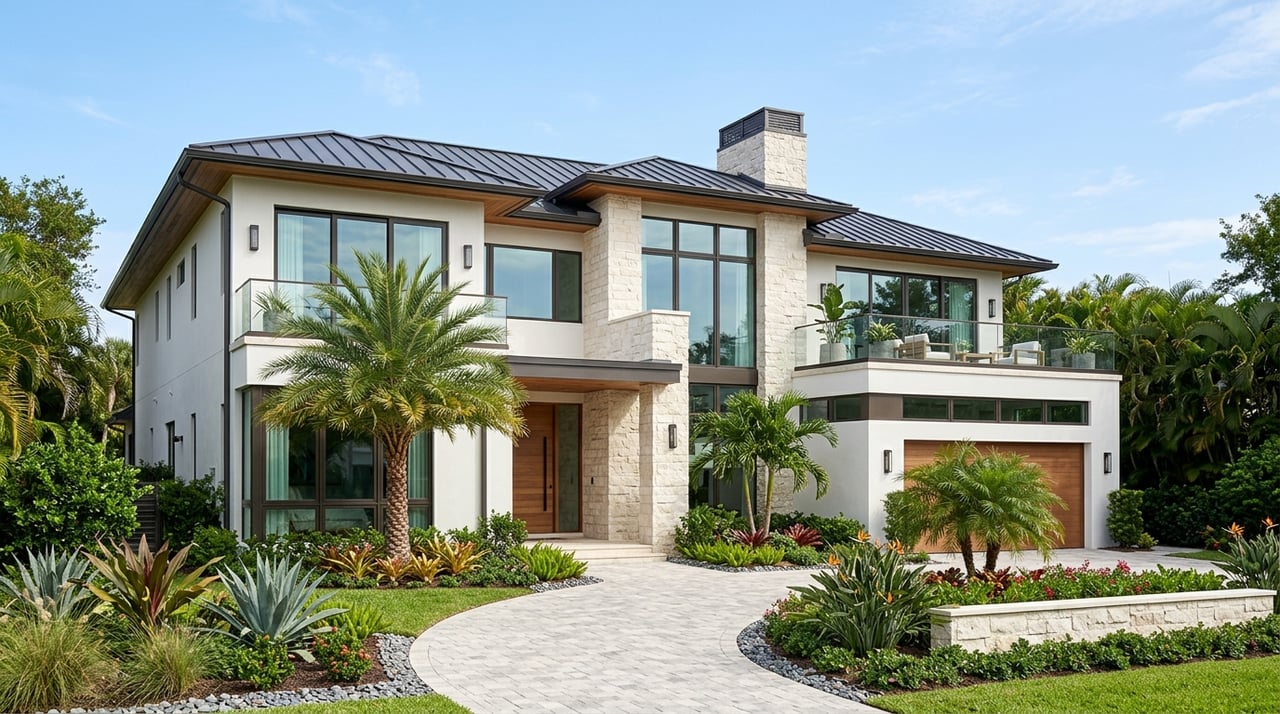
If you are wondering whether now is the right time to sell your Sanibel Island home, you are asking exactly the right question. On Sanibel, timing is not just about the calendar. It is about seasonality, buyer traffic, weather risk, and how well your home is prepared before it ever hits the market. This guide will help you understand when sellers tend to have the strongest opportunity, what can shift that timing, and how to plan your next steps with confidence. Let’s dive in.
Why timing matters on Sanibel
Sanibel is a unique market with premium price points, clear seasonal patterns, and a slower pace than many mainland areas. In March 2026, Realtor.com showed a median listing price of about $1.095 million on Sanibel Island, with median days on market of 117 and homes selling about 6.44% below asking on average. The Sanibel & Captiva Islands Association of REALTORS® also reported 247 residential homes for sale, 14.9 months of supply, and 158 days on market until sale in March 2026.
Those numbers matter because they point to a buyer’s market. In a market with more competition and longer selling timelines, choosing your launch window carefully can help your home stand out. It also means pricing, presentation, and preparation are just as important as picking the right month.
Best time to sell on Sanibel
For many sellers, late winter to early spring is the strongest window to consider. The Sanibel-Captiva Chamber says the most popular time to visit the islands is December through April, and historical visitor data has shown February and March as the busiest months. More visitors often means more potential buyers seeing homes in person.
This timing also lines up with broader spring selling patterns. Realtor.com identified April 12 to 18 as the 2026 best week to list nationally and noted that sellers in the South and West can benefit more from early spring timing. On Sanibel, that seasonal momentum can be especially useful because in-person exposure tends to be stronger before summer heat, humidity, and storm concerns become more noticeable.
Why late winter and spring help
Winter on Sanibel is mild and dry, with daytime temperatures generally in the 70s and 80s, according to the Chamber. That makes it easier for buyers to explore the island, attend showings, and get a feel for the property and surrounding area. Comfortable weather often creates a smoother showing experience.
By contrast, summers are hotter and more humid, with highs in the high 80s to low 90s and brief afternoon showers. That does not mean homes cannot sell in summer, but it can make showings less convenient and reduce casual buyer traffic. For sellers who can choose their timing, the earlier seasonal window is often more favorable.
When timing may be less favorable
Late summer and early fall are typically softer periods for in-person buyer activity on Sanibel. Historical Chamber data showed September as the slowest month, which fits with the island’s broader seasonal rhythm. If your goal is to capture the widest in-person audience, this is usually not the first window to target.
Weather risk also becomes a bigger factor in the second half of the year. NOAA says Atlantic hurricane season runs from June 1 through November 30. During that stretch, buyers may be more cautious, insurance questions may carry more weight, and repairs or showing schedules can be disrupted by weather events.
Other factors that can shift your best date
Even when seasonal trends point one way, market conditions can shift your ideal listing date. Mortgage rates, insurance costs, and storm-related concerns can all influence buyer confidence. Freddie Mac reported a 30-year fixed mortgage rate of 6.37% as of May 7, 2026, and earlier lower rates were associated with improving purchase demand.
The key takeaway is simple: the best time to sell is not only about demand on the island. It is also about what buyers are feeling in the moment. If financing conditions improve or market competition changes, you may want to adjust your timeline.
How peak-season traffic affects showings
More visitors can help create exposure, but Sanibel traffic patterns are important to understand. The Chamber reports that nearly 13,000 vehicles come onto the island daily in peak season. The heaviest inbound traffic is from 8 a.m. to noon, outbound traffic is from 2:30 p.m. to 6:30 p.m., and Saturdays are the busiest day.
For sellers, this means smart scheduling matters. Showings and open houses can be easier for buyers to attend outside the busiest traffic windows. A thoughtful showing plan can make the experience more convenient and help your home make a stronger first impression.
Small details that influence comfort
Sanibel’s outdoor conditions can affect how buyers experience your property. The Chamber notes that sea turtle nesting season runs from May 1 to October 31. It also notes that no-see-ums are most active near water at sunrise and sunset.
For waterfront and coastal homes, these details can shape showing strategy. A well-timed tour can help buyers focus on the home itself instead of seasonal outdoor discomfort.
What sellers should do before listing
On Sanibel, the sellers who tend to move most confidently are the ones who start early. Zillow says most sellers who hit their target price and timeline begin preparing 60 to 90 days before listing. That kind of runway gives you time to make decisions without rushing.
A practical prep timeline often looks like this:
- 8 to 12 weeks before listing: plan your strategy and identify major updates or repairs
- 6 to 8 weeks before listing: complete repairs and gather contractor estimates if needed
- 4 to 6 weeks before listing: declutter, clean, and prepare the home for staging
- 2 to 4 weeks before listing: schedule photography and finalize marketing materials
- 1 to 2 weeks before listing: handle final touch-ups and make the home show-ready
This preparation window is especially important in a buyer’s market. If competing homes are sitting for months, your property needs to feel polished, well-priced, and easy for buyers to evaluate.
Sanibel-specific documents to gather
Coastal homes often come with extra layers of documentation, and having them ready can reduce friction once buyers start asking questions. The City of Sanibel directs owners to FEMA flood maps and its Forerunner tool for flood zones and elevation certificates. If available, it is smart to gather these materials before your home goes live.
Your pre-listing file may include:
- Flood-zone information
- Elevation certificate, if available
- Flood insurance declarations
- Permits for past work
- Storm-repair records
- Warranties and manuals for systems and appliances
Having these items organized shows buyers that the home has been thoughtfully managed. It can also help speed up due diligence once you receive an offer.
Pricing and presentation still matter most
Even the best listing window cannot overcome overpricing or weak presentation. With 14.9 months of supply reported by the Sanibel & Captiva Islands Association of REALTORS® in March 2026, buyers have options. That means your home needs to give them a clear reason to act.
A strong launch usually comes down to three things:
- Accurate pricing based on current competition
- Clean presentation with strong photos and clear marketing
- Thoughtful preparation so buyers feel informed, not uncertain
This is especially true for luxury and waterfront properties, where buyers often compare details carefully. The goal is not just to list during a good season. It is to enter the market in a way that feels complete, credible, and compelling.
A practical Sanibel selling timeline
If you have flexibility, think backward from your ideal launch date. If you want to be on the market by late winter or early spring, it usually makes sense to begin planning in winter. That gives you enough time to handle repairs, organize documents, and prepare the home for a polished debut.
A simple approach could look like this:
If you want to list in February or March
- Start planning in December or early January
- Review condition issues and needed repairs right away
- Organize flood, insurance, permit, and storm-related records early
- Prepare photography and marketing once the home is nearly show-ready
If you want to list in April
- Start planning by January or February
- Use the extra lead time for repairs and presentation updates
- Fine-tune your timing so the home launches before summer conditions arrive
If you need to sell outside peak season
- Focus even more on pricing and preparation
- Be realistic about showing pace and buyer urgency
- Make access easy and keep documentation ready for serious buyers
So, when should you sell?
If you can choose your timing, the strongest window for many Sanibel sellers is usually late winter to early spring. That period aligns with heavier visitor activity, comfortable weather, and stronger in-person showing potential. It may give your home a better chance to gain attention before the slower late-summer and early-fall months.
That said, the right answer depends on your property, your goals, and current market conditions. In today’s buyer-leaning environment, success often comes from combining smart timing with disciplined pricing, polished presentation, and a well-managed launch plan.
If you are considering a move on Sanibel and want a clear, detail-driven plan, Daniela Mitchell can help you map out the right timing, pricing, and preparation strategy for your home.
FAQs
When is the best month to sell a Sanibel Island home?
- For many sellers, February through April is a strong window because Sanibel’s busiest visitor season runs from December through April, with February and March historically among the busiest months.
Is Sanibel Island a buyer’s or seller’s market right now?
- As of March 2026, Sanibel Island was still considered a buyer’s market, with elevated inventory, long days on market, and homes selling below asking on average.
Can you sell a Sanibel home during summer or fall?
- Yes, you can, but late summer and early fall are typically weaker for in-person buyer traffic, and hurricane season from June 1 through November 30 can also affect showing schedules and buyer confidence.
How far in advance should you prepare a Sanibel home for sale?
- A good rule of thumb is to start 60 to 90 days before your intended list date so you have time for repairs, cleaning, staging preparation, photography, and document gathering.
What documents should you gather before selling a Sanibel coastal home?
- Helpful documents include flood-zone information, an elevation certificate if available, flood insurance declarations, permits, storm-repair records, and warranties or manuals for major systems and appliances.
Does pricing matter more than timing in the Sanibel market?
- Timing matters, but in a buyer’s market, pricing and presentation are critical because buyers have more choices and may take longer to make decisions.